
Assigned Seating: Yea or Nay?
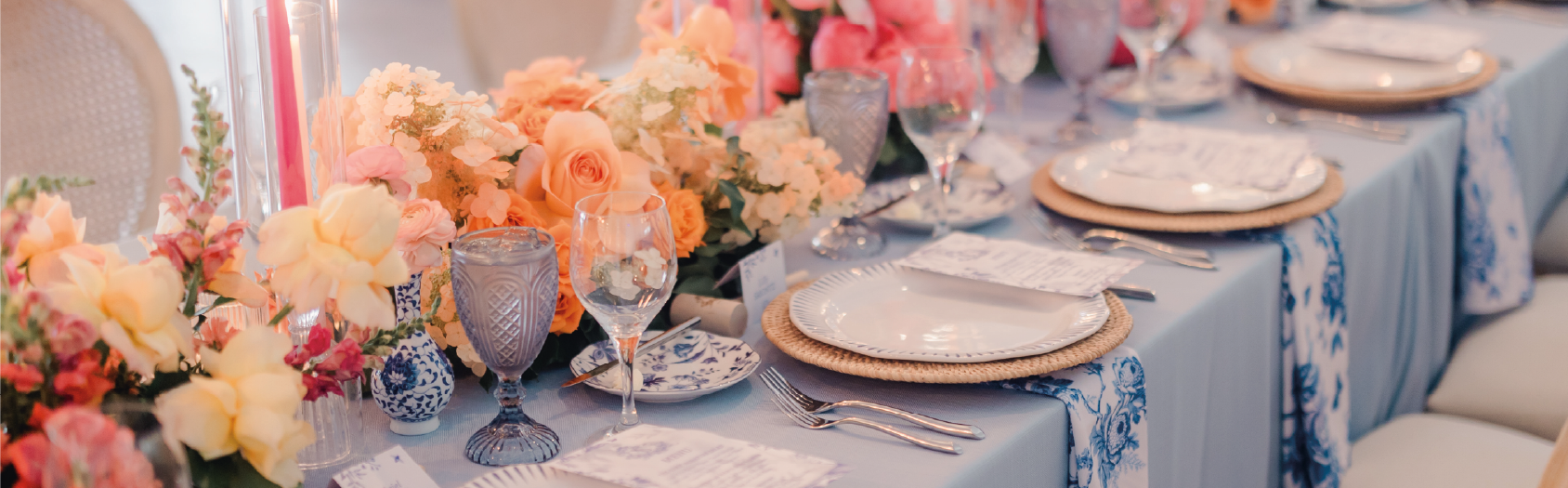
Why Seating Matters More Than You Think
Seating guests sounds simple until you start considering personalities, comfort levels, and the flow of your event. Suddenly, it becomes a puzzle. You might find yourself wondering who should sit together, who should not, and how to make everyone feel welcome the moment they walk in.
When Assigned Seating Is Not Necessary
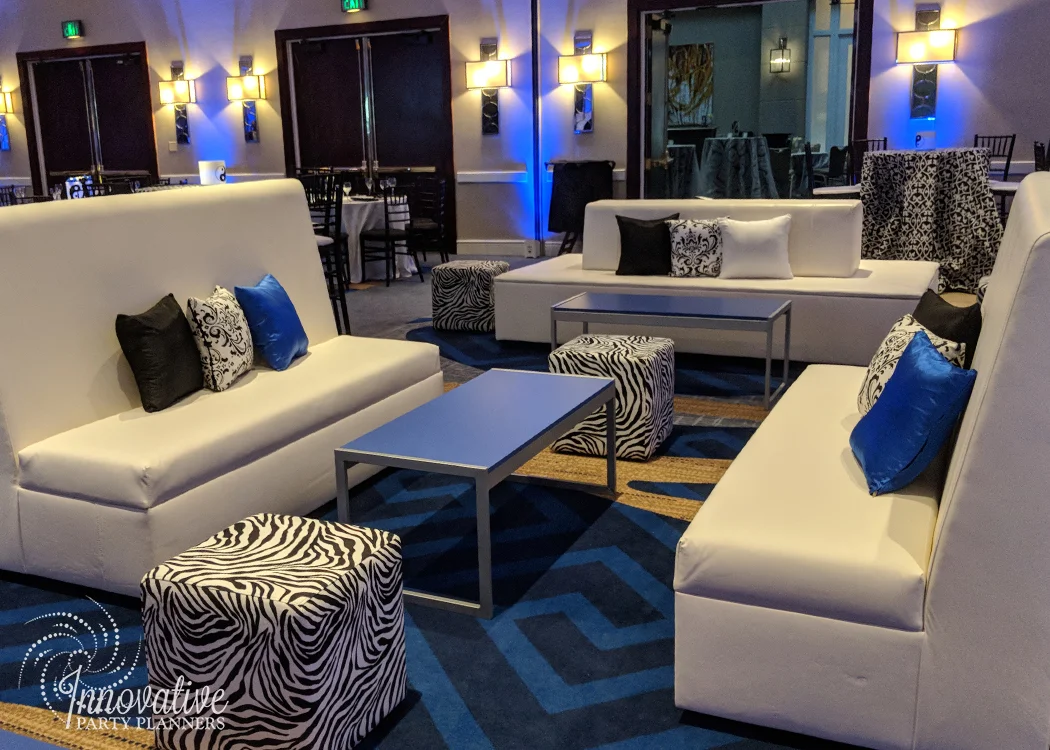
Assigned seating is optional for casual social events. If you want guests to mingle, move around, and meet new people, let them choose their own seats. Create a relaxed environment with a mix of seating styles:
Lounge furniture
High and low cocktail tables
Benches or communal seating
Bar seating
Spots near food stations, silent auction tables or food stations
This relaxed setting encourages movement and natural conversation. This type of set up is suggested when there is no formal program or when you might expect your guests to move around during the duration of your event.

When Assigned Seating Is Helpful
For events with a formal program, speeches, awards, or a structured dinner, assigned seating is a smart choice. It helps the event run smoothly and gives guests confidence the moment they arrive. Seating charts are best created by the host, since you know your guests and their relationships better than anyone.
How Assigned Seating Improves the Guest Experience
Without assigned seating, guests may walk in and feel unsure where to sit. They might search for familiar faces, only to find single seats or tables already reserved for others. Assigned seating removes that stress and helps guests feel comfortable and included.
Where To Begin: Practical Seating Tips
Use these guidelines to create thoughtful, comfortable seating arrangements:
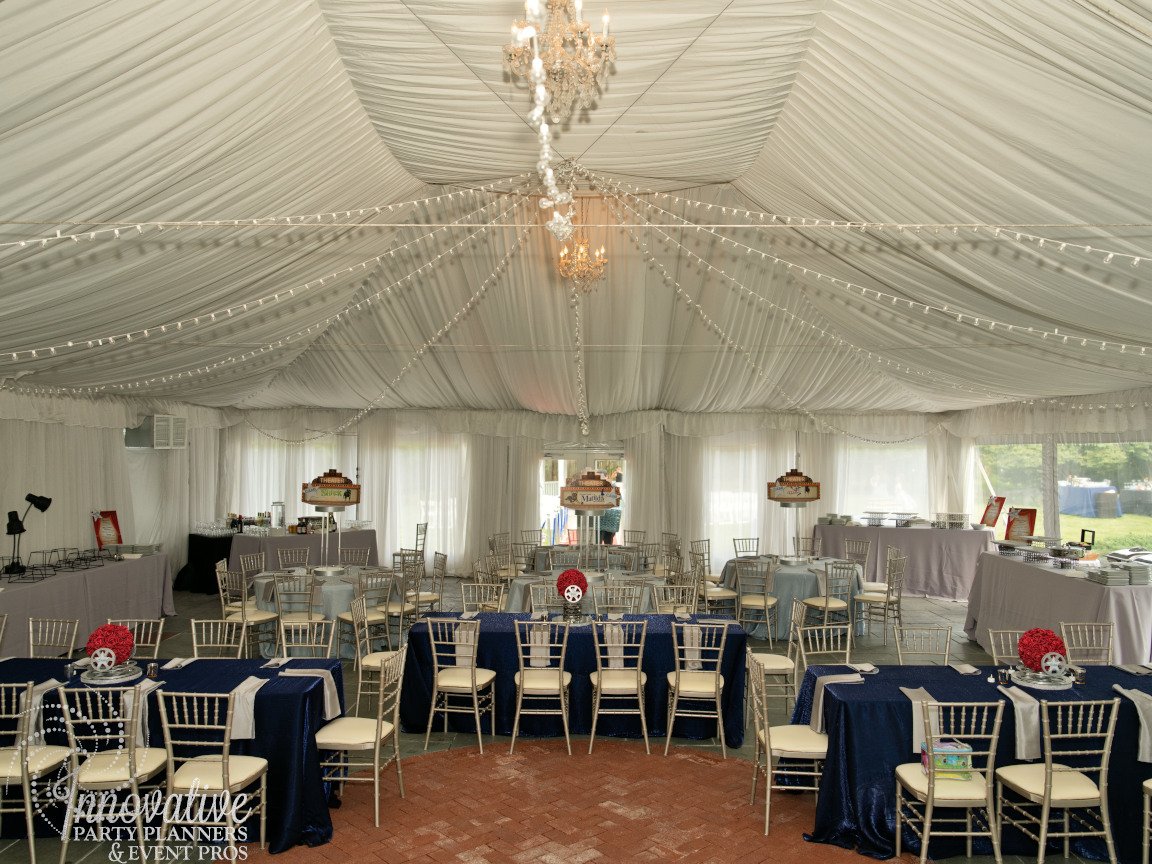
Group Guests by Relationships
Seat people with others they know or will easily connect with. Consider friendships, family ties, ages, or shared interests.
Mix Family or Staff Members
Avoid clustering relatives or coworkers who see each other often. Seat them with family or other staff they do not get to see regularly.
Use Shared Interests or Professions
If guests work in similar fields but do not know each other, seat them together to spark conversation.
If You Seat Strangers Together
Visit the table, make introductions, and let them know why you thought they would enjoy meeting each other.
Table Placement Tips Hosts Often Forget
Where you place tables in the room matters just as much as who sits at them.
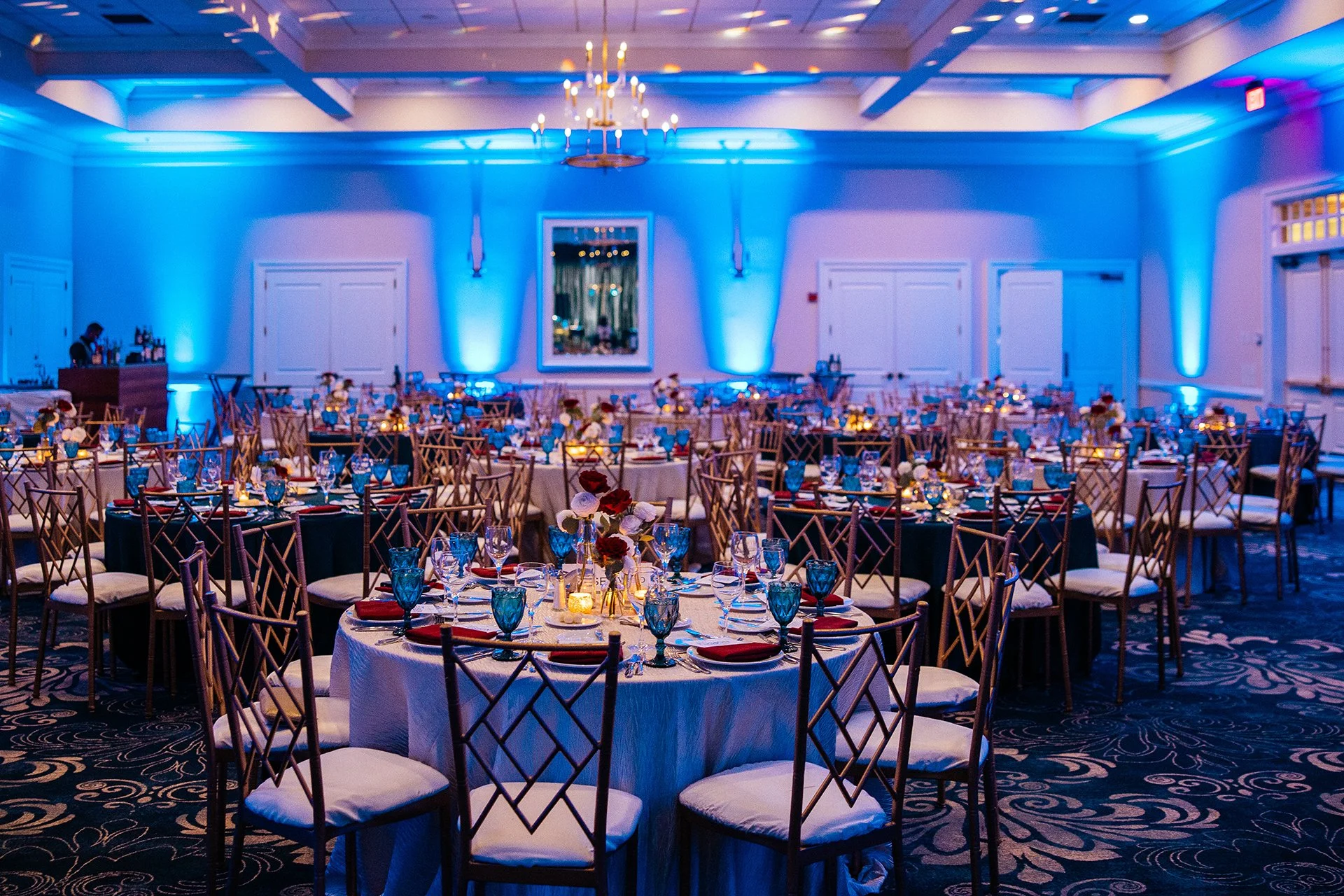
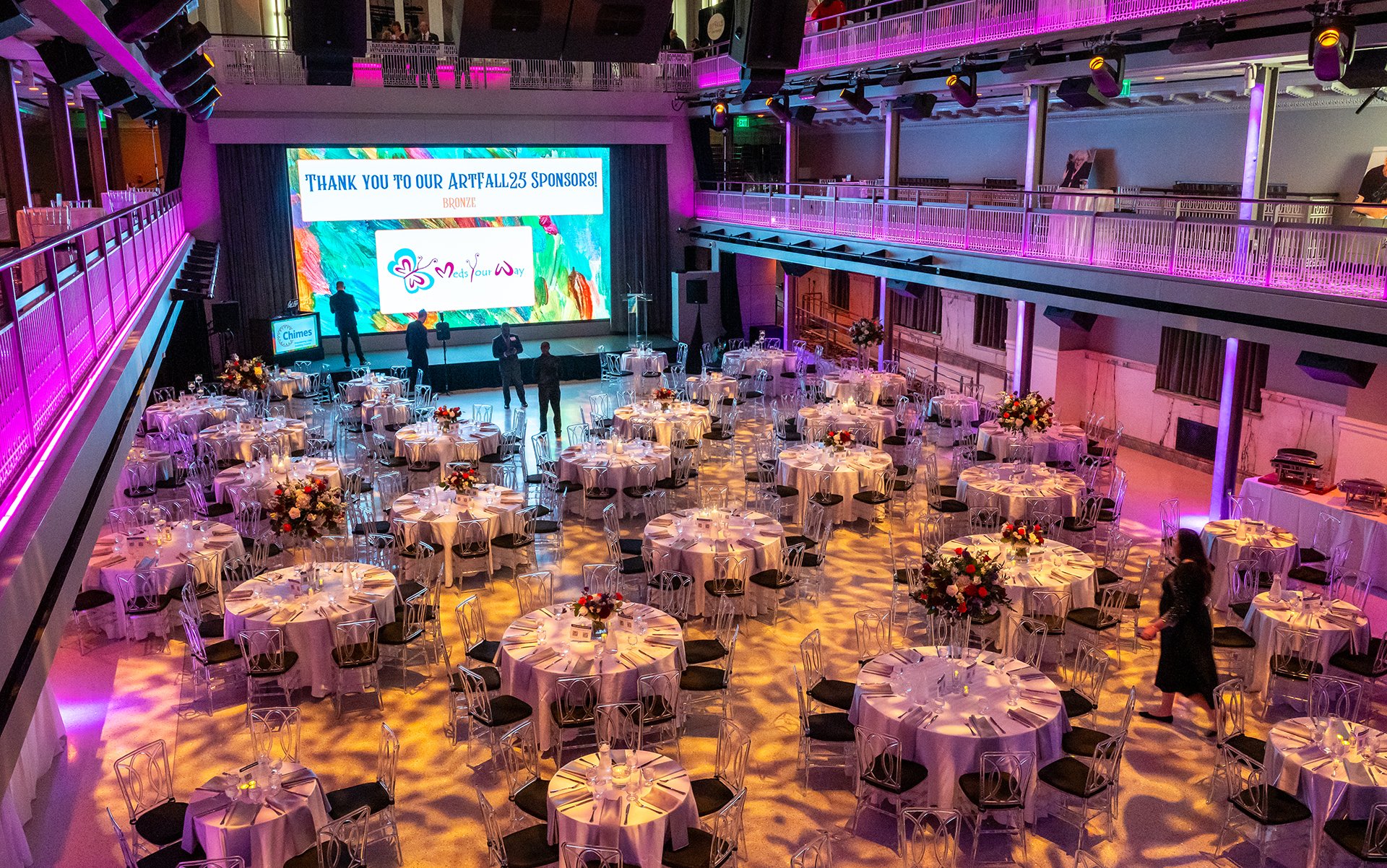
Front of the Room
Seat:
VIPs
Speakers
Guests of honor
Anyone who needs to be close to the program
Avoid seating guests who prefer privacy.
Back of the Room
Seat:
Guests who may arrive late
People who prefer quieter spaces
Parents with young children
Anyone who may need to leave early
Near the Bar
Seat:
Social guests
People who enjoy movement and conversation
Avoid seating guests who prefer calm environments.
Near Exits
Seat:
Guests with mobility concerns
Anyone who may need to step out
Vendors or staff who need quick access
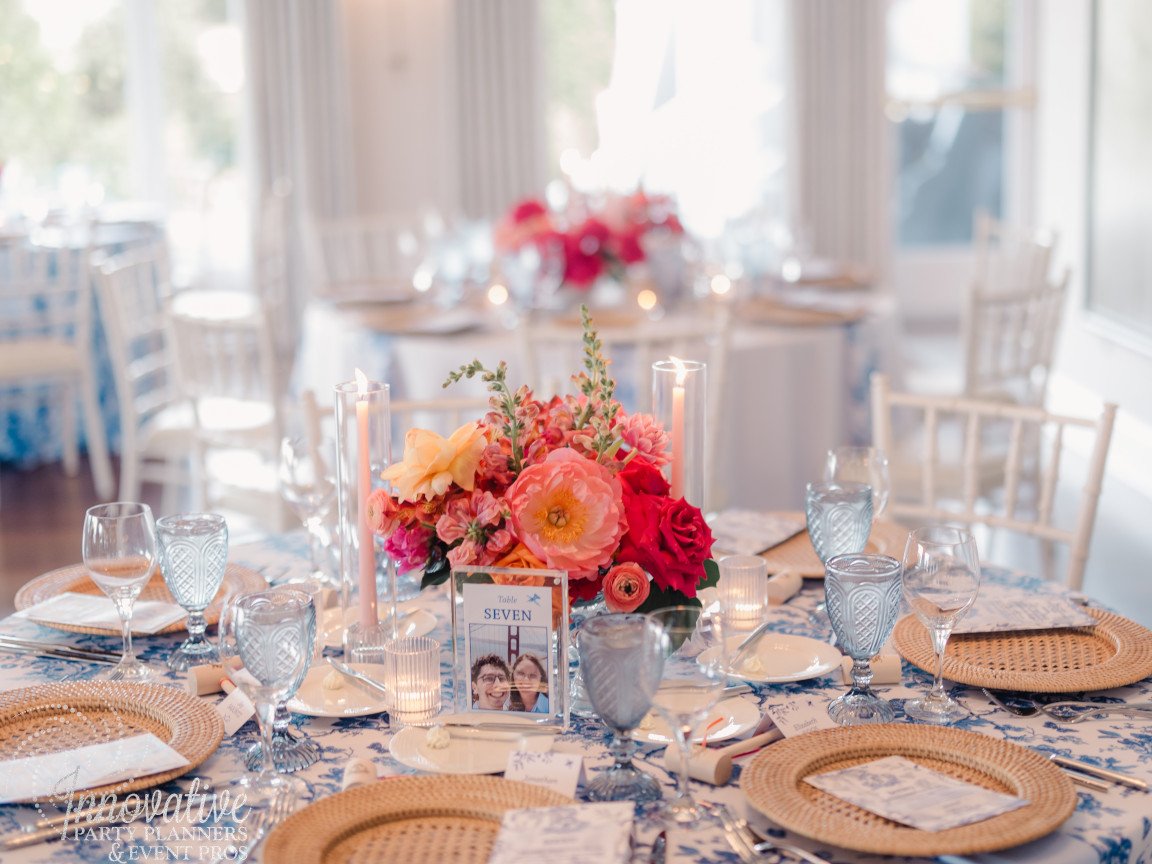
Near Food Stations
Seat:
Guests who enjoy grazing
Social groups who like being in the mix
Avoid Uncomfortable Spots
Do not seat guests:
Behind columns
In corners facing walls
Next to loud speakers
In busy walkways
Final Thought
Assigned seating is not about rules. It is all about hospitality. Whether you choose structured seating or a free‑flow layout, the goal is the same: help your guests feel welcome, comfortable, and connected.
Innovative Party Planners & Event Pros is your personal resource for event design and planning in Maryland, Washington, D.C., Pennsylvania and Virginia. Whether you are a do it yourselfer or want a more full service experience learn more about our event planning services and how we can help make your event one of a kind, contact us by clicking here or calling (410) 998-9999.